Winwon Chips Winwon Chips

Why Choose Long Term Electronic Component Suppliers?

Time:2026-10-02 Author:Ethan
0%

Choosing a long-term electronic component supplier is a decision about resilience, not only price. A reliable partner protects production when lead times shift, forecasts change, or a familiar part becomes unavailable. This matters deeply in automotive, medical, industrial, and communications manufacturing.

W. Edwards Deming, a leading quality-management expert, said, “Quality comes not from inspection, but from the improvement of the production process.” His principle still fits electronics sourcing. A capable supplier should provide traceable components, controlled storage, clear certificates, and disciplined change notifications. Ask how the supplier handles obsolete parts. Ask for evidence, not promises.

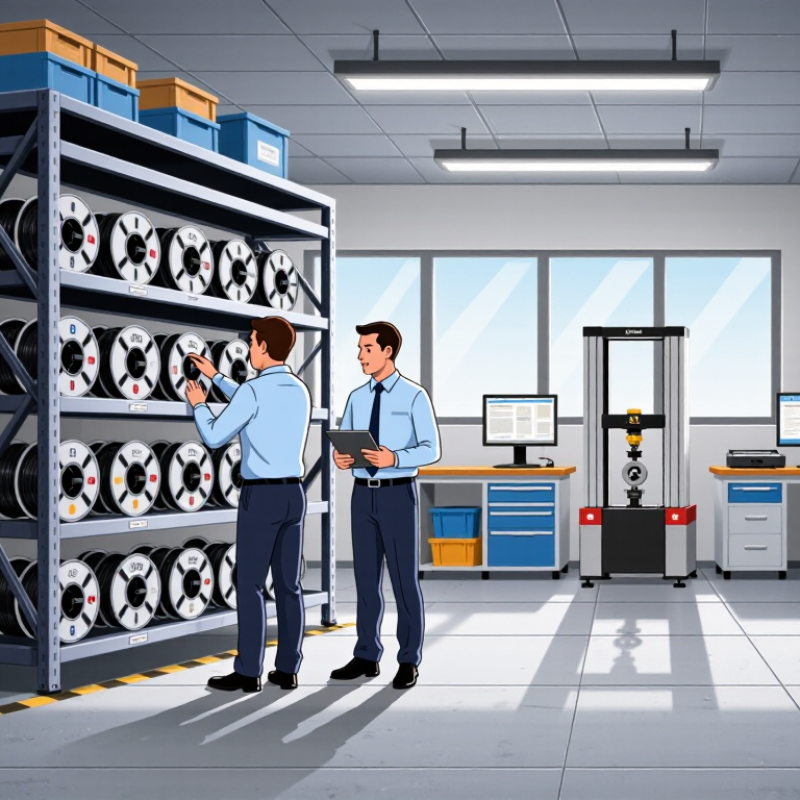
The practical question is: How to select long-term partners for electronic components supply? Examine delivery records across difficult quarters. Review counterfeit-control procedures. Check whether technical teams respond with specific answers. A warehouse visit can reveal more than a polished presentation. Look for labeled reels, moisture-control cabinets, calibrated equipment, and consistent batch records.

Experience also matters. Suppliers that understand allocation periods can suggest approved alternatives before a line stops. They should communicate bad news early. That is uncomfortable, but valuable. No partner performs perfectly. Even strong suppliers may miss a forecast or delay a shipment. The real test is their recovery process, transparency, and willingness to improve.

A long-term relationship should include quarterly reviews, shared risk plans, and measurable service targets. Cost remains important. It should not stand alone. The cheapest quote may become expensive after requalification, downtime, or emergency freight. Careful buyers build partnerships that support quality, continuity, and responsible growth.
Why Choose Long Term Electronic Component Suppliers?

What Long-Term Electronic Component Suppliers Are

Why Choose Long Term Electronic Component Suppliers?

What Long-Term Electronic Component Suppliers Are

A long-term electronic component supplier is more than a company that ships parts repeatedly. It becomes a continuity partner for engineering, purchasing, and production teams. This relationship often covers sourcing, lifecycle planning, quality records, and technical communication. A reliable supplier understands approved specifications, delivery patterns, and acceptable alternatives. It also keeps clear traceability from manufacturer documentation to warehouse receipt.

In practice, this partnership appears in small details. A supplier may flag a pending product change before it affects a circuit board. It may provide date codes, inspection photos, storage conditions, and test reports. During a shortage, its team can compare equivalent parts without changing critical electrical values. These actions reduce rushed decisions and help engineers protect product performance. They also make audits less painful.

Still, no supplier relationship is perfect. A long contract can hide weak communication or outdated processes. Regular reviews remain necessary. Buyers should examine delivery accuracy, document quality, response time, and corrective actions. I have seen dependable cooperation weaken when both sides stopped asking difficult questions. Trust should be supported by evidence, not familiarity alone. A capable long-term supplier keeps learning as designs, regulations, and component lifecycles change.

Why Choose Long-Term Electronic Component Suppliers?

Long-term supplier relationships can improve supply continuity, quality consistency, technical collaboration, and lifecycle management. The chart uses a normalized procurement benchmark, where 100 represents the performance level of a stable long-term sourcing relationship.

A long-term supplier is typically better positioned to understand product requirements, reserve capacity, support engineering changes, and provide earlier notice of allocation or component obsolescence. Actual results depend on supplier qualification, contract terms, forecast accuracy, and quality-management practices.

How Long-Term Supplier Relationships Support Stable Procurement

Why Choose Long Term Electronic Component Suppliers?

Long-term electronic component suppliers provide more than parts; they provide continuity. After years in procurement, teams learn that stable supply begins with shared expectations. A supplier familiar with your forecasts can flag unusual demand before shortages appear. That warning may arrive through a short call, not a formal report. Small details matter. They include connector specifications, moisture controls, packaging methods, and approved substitutions.

Consistent relationships also improve purchasing accuracy. Suppliers can retain production history, inspection records, and agreed delivery schedules. When a shipment reaches the warehouse, clear documentation makes receiving faster and reduces avoidable disputes. Regular communication helps both sides adjust order quantities before production plans become urgent. In my experience, suppliers respond more precisely when they understand the equipment, storage conditions, and testing requirements behind an order. Reliable procurement depends on that practical knowledge.

However, long relationships do not remove risk. Markets shift, forecasts fail, and communication can become too comfortable. A buyer may assume availability without checking current capacity. That is a mistake worth reviewing. Monthly forecast discussions, quarterly performance checks, and documented backup options keep trust accountable. Suppliers should explain allocation limits early, while buyers should share changes honestly. Trust should support verification, not replace it. Even a dependable relationship needs fresh questions.

The Role of Consistent Quality and Component Traceability

Why Choose Long Term Electronic Component Suppliers?

The Role of Consistent Quality and Component Traceability

In practical sourcing work, consistency is measured long after the first delivery. A reliable supplier uses controlled processes for inspection, storage, packing, and shipment. Each batch should match approved specifications, not merely look similar. This matters when tiny variations affect assembly yield, field performance, or warranty decisions. Quality records make those differences visible.

Traceability connects a component to its origin, production lot, inspection results, and shipping history. With clear lot codes, engineers can isolate affected stock without stopping every project. Certificates, test reports, and inspection photographs also support informed technical decisions. In my experience, good records save more time than urgent searching after a failure. They create evidence, not promises. Long-term suppliers are more likely to understand a customer’s approved alternates and documentation needs. That familiarity reduces repeated questions and prevents avoidable substitutions.

Still, no process is flawless. A spreadsheet can contain a wrong digit, and a certificate can be misunderstood. Suppliers should welcome audits, corrective actions, and periodic data reviews. Buyers should also verify samples, date codes, packaging, and storage conditions. Trust needs checking. When both sides examine weak points honestly, consistent quality becomes a working discipline rather than a marketing claim. That discipline protects production schedules and gives technical teams clearer evidence when choices become difficult.

How Reliable Suppliers Reduce Costs and Supply Chain Risks

Why Choose Long Term Electronic Component Suppliers?

How Reliable Suppliers Reduce Costs and Supply Chain Risks

A long-term electronic component supplier does more than ship boxes on schedule. It learns your approved specifications, testing needs, and production rhythm. That familiarity improves planning before a shortage becomes urgent. In my experience, regular demand reviews expose risks earlier than emergency purchasing. Suppliers can flag allocation pressure, lifecycle changes, and unusual price movements. They may also suggest compatible alternatives, but every substitute still requires engineering approval. Speed matters. So does evidence.

Reliable suppliers reduce hidden costs through consistent quality and documented traceability. Clear lot records make incoming inspection faster and support quicker investigations when failures occur. Stable packaging and labeling also prevent warehouse errors. Fewer surprises mean less rework, fewer line stoppages, and lower expediting fees. A practical agreement may include forecast sharing, safety-stock rules, quality metrics, and escalation contacts. These details are not glamorous. They protect cash flow.

However, a long relationship is not a guarantee of performance. Teams can become comfortable and stop checking data. That is a mistake. Review delivery accuracy, defect rates, response times, and obsolete inventory regularly. Suppliers should communicate bad news early, not hide it behind optimistic dates. Dual sourcing may still be sensible for critical components. No plan removes every disruption, especially during sudden demand changes. The goal is controlled exposure, not perfect certainty. Choose partners that document decisions, admit limits, and improve after each problem.

Why Choose Long Term Electronic Component Suppliers? - How Reliable Suppliers Reduce Costs and Supply Chain Risks
Data Dimension Long-Term Supplier Relationship Short-Term or Spot Purchasing Cost and Supply Chain Impact
Demand Planning Visibility Rolling forecasts commonly shared over a 6–12 month planning horizon, with firm orders confirmed in shorter intervals. Purchasing is mainly based on immediate requirements and current market availability. Better visibility supports production planning, capacity reservations, and lower emergency purchasing exposure.
Lead-Time Management Supplier capacity and expected lead times can be reviewed regularly and adjusted through scheduled planning meetings. Lead times may change without much notice because supply is sourced from available inventory or open-market channels. More predictable lead times reduce production stoppages and the need for premium freight.
Order Fulfillment Performance On-time-in-full delivery can be tracked monthly using purchase-order confirmation, shipment, and receipt records. Delivery performance is often evaluated order by order, with limited historical data available before purchase. Continuous performance reviews make recurring delivery problems easier to identify and correct.
Quality Consistency Approved specifications, inspection procedures, lot traceability, and corrective-action records can be maintained over time. Part quality and documentation may vary between different sources or production lots. Stable quality reduces incoming inspection effort, line disruptions, rework, and warranty-related costs.
Counterfeit and Traceability Risk A documented chain of custody, lot records, certificates, and supplier audits can be established and periodically reviewed. Multiple brokers or rapidly changing sources can make product origin and handling history more difficult to verify. Improved traceability lowers the risk of counterfeit, remarked, damaged, or improperly stored components.
Price Stability Annual or multi-quarter agreements may define pricing rules, volume tiers, review periods, and adjustment conditions. Prices are more exposed to spot-market shortages, allocation pressure, and last-minute demand changes. Transparent pricing rules improve budgeting and reduce unexpected procurement premiums.
Minimum Order Quantity Planning Forecast collaboration can support scheduled releases, split deliveries, or stocking arrangements aligned with actual consumption. Buyers may need to accept available package quantities or larger minimum order quantities to secure supply. Flexible delivery planning helps reduce excess inventory, obsolescence, and storage costs.
Engineering Change Notification Formal notices can be exchanged for material changes, process changes, end-of-life announcements, and last-time-buy dates. Change information may be discovered only when a replacement part or a different production lot is received. Early notification gives engineering teams time to qualify alternatives and avoid redesign-related delays.
Safety Stock Requirement Inventory buffers can be calculated using historical demand, lead-time variation, service-level targets, and supplier performance. Buyers may hold additional stock as protection against uncertain availability and delivery dates. Lower uncertainty can reduce working capital tied up in precautionary inventory.
Expedited Freight Exposure Planned production slots and scheduled shipments reduce the frequency of urgent air freight and special handling. Shortages are more likely to trigger expedited shipments, split deliveries, or broker premiums. Lower emergency logistics usage reduces total landed cost beyond the quoted component price.
Supplier Corrective Action Nonconformities can be analyzed through documented root-cause analysis, corrective action, and effectiveness checks. One-time transactions may provide limited incentive or time for structured corrective-action follow-up. Recurring defects are more likely to be eliminated rather than repeatedly managed.
Business Continuity Planning Capacity risks, geographic exposure, alternate production sites, and substitute components can be reviewed jointly. Risk information may be limited to the immediate supplier and current inventory position. Joint contingency planning improves resilience during shortages, transport disruptions, and demand spikes.
Procurement Administration Standardized specifications, approved part lists, recurring order formats, and established communication channels reduce transaction effort. Each purchase may require new supplier checks, documentation reviews, price negotiations, and quality verification. Lower administrative workload reduces hidden purchasing costs and shortens sourcing cycles.
Total Cost of Ownership Evaluation includes unit price, inspection, inventory, freight, defects, downtime, qualification, and obsolescence costs. Decisions are often driven mainly by the initial quoted unit price. A total-cost approach can reveal savings that are not visible in the component price alone.

Note: The comparisons above represent common procurement practices and planning benchmarks. Actual results depend on component type, lifecycle stage, order volume, contract terms, geographic location, and supplier performance history.

Key Factors for Evaluating a Long-Term Supplier

A long-term electronic component supplier should be judged by more than price and delivery speed. Reliable evaluation begins with traceability. Ask whether each part has a clear manufacturing source, lot number, inspection record, and storage history. A supplier should also explain its quality process in plain language. Vague answers are warning signs.

During supplier assessments, examine how the team handles samples, returns, and sudden shortages. Request recent test reports, packaging photos, and examples of nonconformance records. A strong supplier can describe corrective action without hiding mistakes. Communication matters, too. Measure response times during ordinary weeks, not only during urgent orders. Small delays can become expensive production stoppages.

Technical capability deserves close attention. Check whether the supplier understands component specifications, lifecycle risks, approved alternatives, and moisture-sensitive packaging. Review its inventory controls and forecasting process. Long-term cooperation also depends on financial stability and ethical business practices. These details are less visible, but they affect continuity. Do not rely on one successful shipment. That is my concern. Evaluate several orders across different seasons, quantities, and component types. An imperfect supplier may still be dependable if it admits weaknesses and improves them. A polished presentation proves very little. Consistent records do more.

FAQS

What is a long-term electronic component supplier?

It supports sourcing, quality records, lifecycle planning, and technical communication over time. It becomes a continuity partner. The relationship covers more than repeated shipments.

Why is component traceability important?

Traceability links each part to its source, production lot, inspection results, and shipping history. Clear lot codes help isolate affected stock quickly. Records create evidence.

What documents should a supplier provide?

Useful documents include test reports, certificates, inspection photographs, date codes, and storage records. They should match the delivered batch. A wrong digit can matter.

How can buyers evaluate supplier quality?

Review inspection methods, packaging controls, storage conditions, return handling, and nonconformance records. Request recent samples and supporting evidence. Vague answers deserve attention.

How should buyers assess delivery reliability?

Examine delivery accuracy across several orders, seasons, quantities, and component types. Do not judge reliability from one successful shipment. Patterns matter more.

Can a supplier help during component shortages?

A capable supplier can compare approved alternatives without changing critical electrical values. Engineers should verify every proposed substitute. Similarity is not proof.

What communication standards should a long-term supplier meet?

Measure response times during normal weeks, not only urgent situations. The team should report product changes before they affect production. Silence creates risk.

Should buyers continue reviewing a familiar supplier?

Yes. Regular reviews should examine records, corrective actions, delivery accuracy, and technical support. Trust still needs checking. Familiarity can hide outdated processes.

How do storage and packaging affect component quality?

Proper storage protects parts from moisture, damage, and unsuitable conditions. Buyers should inspect packaging, labels, date codes, and handling records. Small details matter.

What makes a supplier dependable over many years?

Dependability combines traceability, honest communication, technical knowledge, stable processes, and continuous improvement. No supplier is perfect. Weaknesses should be admitted and corrected.

Conclusion

Long-term electronic component suppliers are partners that support procurement over an extended period through dependable service, stable capacity, and clear communication. Building such relationships can improve purchasing continuity, reduce unexpected shortages, and make production planning more predictable. Consistent quality is equally important: suppliers with effective inspection systems, documentation, and component traceability help buyers verify product origins, manage quality risks, and respond more efficiently to potential issues.

Reliable suppliers can also reduce total costs by limiting production interruptions, emergency purchases, excess inventory, and repeated qualification work. They contribute to a stronger supply chain by offering realistic lead times, responsive support, and early information about market or availability changes. When considering How to select long-term partners for electronic components supply, buyers should evaluate product quality, traceability, delivery performance, technical capability, communication, financial stability, compliance practices, and willingness to develop a transparent, mutually beneficial relationship.

Ethan

Ethan

Ethan is a seasoned marketing professional with a deep expertise in our company's innovative product line. With a passion for sharing knowledge and insights, he takes the lead in regularly updating our corporate blog, where he explores industry trends, product features, and effective marketing......